
Subsea Pressure Transducers Built for the Conditions You Actually Work In
When a sensor fails subsea, the cost isn’t just the part. It’s downtime, a recovery operation, and an unexpected failure at depth. Phoenix Sensors designs custom subsea pressure transducers built around your actual environment including the depth rating, media, connector requirements, and pressure range. U.S.-manufactured, engineer-to-engineer support, no catalog compromises. Contact Phoenix Sensors to discuss your subsea pressure transducer requirements or request a custom quote.
Why Subsea Sensors Fail
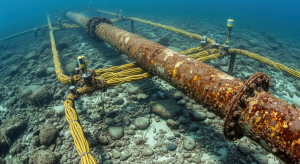
Most subsea pressure transducer failures don’t start with the sensing element. They start with the surrounding design. Wrong material. Weak seal. Wrong connector. A sensor that passes lab testing can still fail once it sees real depth pressure, saltwater, thermal cycling, or harsh media.
Subsea pressure measurement isn’t just about pressure range. The sensor body itself is under external hydrostatic load. Saltwater attacks the wrong materials relentlessly. Connectors and cable exits have to seal for months without access. These details have to be designed in from the start, not patched later.
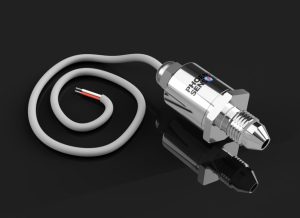
A Real Subsea Pressure Transducer Designed by Phoenix Sensors: PPT87
Every spec on the PPT87 digital pressure transducer exists because something in the subsea environment required it.
- 20,000 PSI working pressure — handles high-pressure measurement demands
- 16,000 PSI external working pressure — the housing survives the hydrostatic load at depth, not just the process pressure
- Inconel 718 wetted surfaces — chosen for its corrosion resistance in seawater and aggressive produced fluids. Special Metals lists Inconel 718 specifically for offshore platform and subseaapplications where resistance to pitting and crevice corrosion is critical
- RS-485 output — noise-immune digital signal over the long cable runs subsea systems require
- 9/16-18 UNF-3A connection — secure, pressure-rated mechanical interface
- -20 to 60°C, ±0.5% accuracy — stable across the thermal range subsea equipment experiences
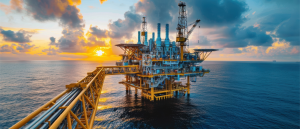
Where We Build Subsea Pressure Transducers
ROV Systems: Compact, rugged sensors for depth monitoring, hydraulic control, and tooling feedback. They are designed around your space, output type, and pressure range.
Subsea Pipelines and Wellheads: Sensors that live in place for years. Material selection is everything here. Inconel wetted parts resist seawater and produced fluids. Seal integrity over the long term is non-negotiable.
Offshore Drilling Equipment: High-pressure, high-vibration environments with harsh media exposure. Custom port configurations and output options matched to your platform’s data acquisition system. The API standards for safe offshore operations set the baseline while our sensors are designed with those environments in mind.
Deepwater Research Instrumentation: Custom form factors, short runs, unique output requirements. We work with research teams on builds that catalog suppliers won’t touch.
What We Need to Design Yours
Tell us about your application and we’ll design a subsea pressure transducer that fits:
- Working pressure and external pressure or depth requirement
- Media (seawater, hydraulic fluid, drilling fluid, other)
- Temperature range
- Output signal (analog or digital)
- Mechanical connection and connector requirements
- Any drawings or installation details available
Talk to an Engineer About Your Subsea Application Today
Phoenix Sensors is a privately held, debt-free U.S. manufacturer based in Chandler, Arizona. We design custom OEM pressure transducers for customers who need application-specific solutions and a supplier who actually responds. Small team, fast turnaround, no runaround.
Contact Phoenix Sensors to discuss your subsea pressure transducer requirements or request a custom quote.