
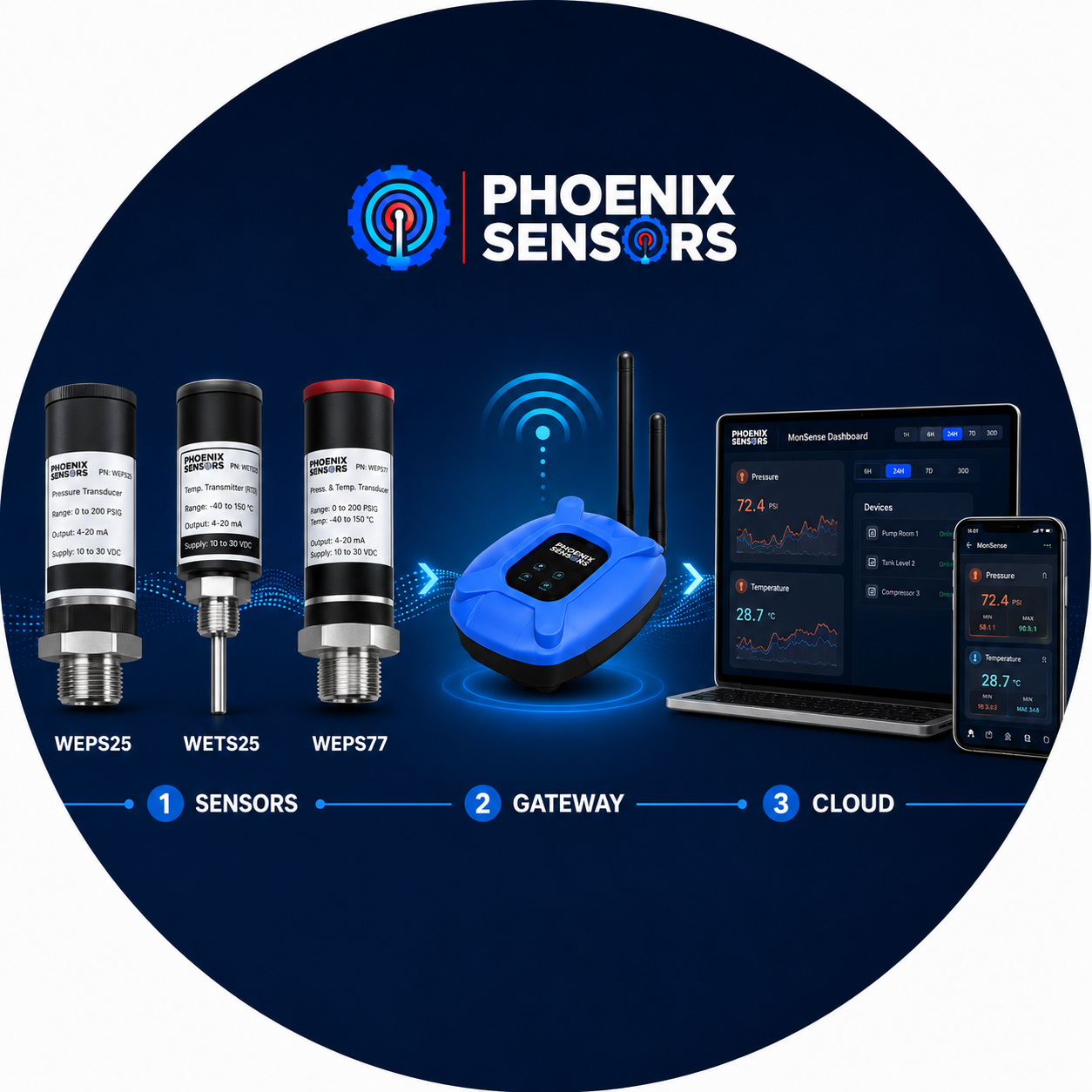
IoT pressure and temperature monitoring gives operators remote access to live sensor data without adding field wiring or relying on routine manual readings.
IoT Pressure and Temperature Monitoring in Three Steps
Phoenix Sensors combines battery-powered Bluetooth Low Energy (BLE) transducers with a cellular gateway and the MonSense cloud platform to monitor distributed equipment from nearly any connected location.
Pressure and temperature
Bluetooth to cellular
Live data, trends, and alarms
Sensors for IoT Pressure and Temperature Monitoring
WEPS25
Wireless Pressure Transducer
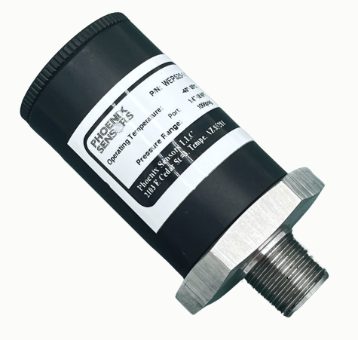
15 to 8,000 PSI ranges
Gauge, absolute, or sealed
Battery powered · BLE 5.0
WETS25
Wireless Temperature Transducer
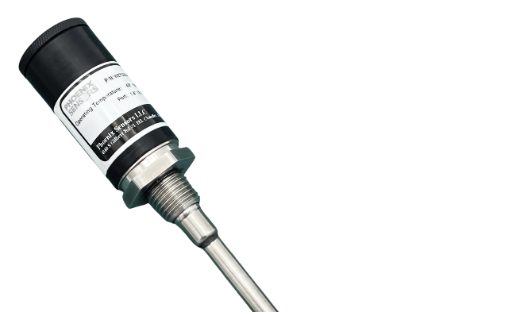
RTD probe configurations
-75°C to 540°C media
Battery powered · BLE 5.0
WEPS77
Combined Wireless Transducer
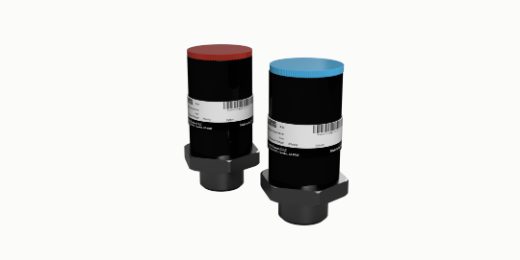
Two measurements in one unit
Up to 5,000 PSI
Battery powered · BLE 5.0
WEXS-BLE-CEL Cellular Gateway
Bluetooth-to-Cellular IoT Gateway
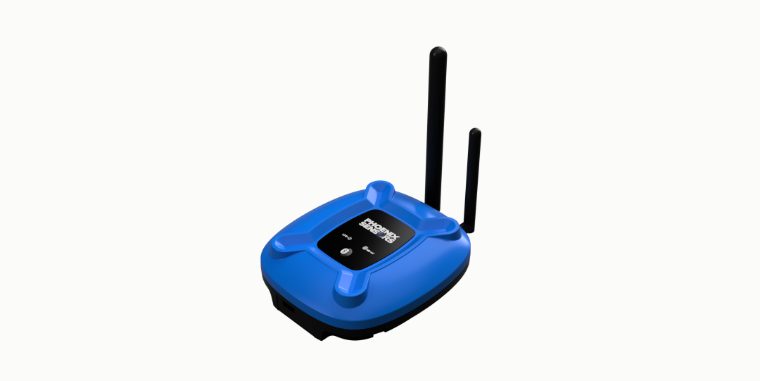
The gateway collects nearby BLE sensor data and sends readings through LTE-M or NB-IoT cellular service. No customer Wi-Fi or local PC is required.
Cloud Monitoring and Alarms
Live Readings, Trends, and Alarms
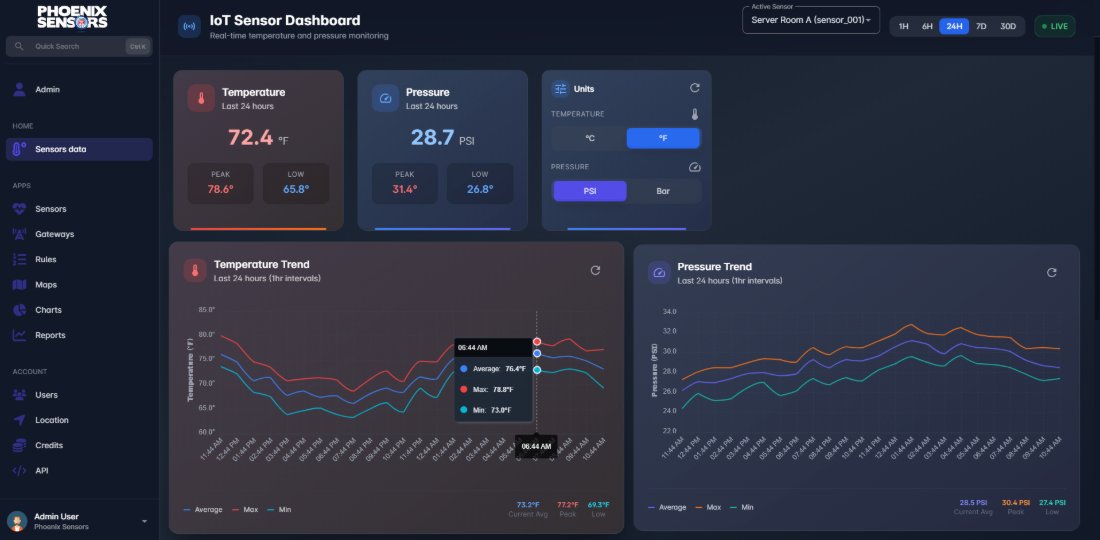
Authorized users can review current values, historical trend charts, and threshold alarms from a secure browser on a computer, tablet, or phone.
Benefits of IoT Pressure and Temperature Monitoring
No field wiring
Battery-powered sensors simplify installation on existing, remote, or temporary equipment.
Fewer manual site visits
Check distributed assets remotely instead of relying only on scheduled field readings.
Earlier warning of problems
Use trends and threshold alarms to identify abnormal conditions sooner.
Remote Sensor Monitoring Applications
- Remote wellheads and pump stations
- Hydraulic and pneumatic systems
- Storage tanks and compressors
- Process skids and test equipment
- HVAC and refrigeration equipment
- Temporary field troubleshooting
Build the Right IoT Monitoring Configuration
Phoenix Sensors can configure IoT pressure and temperature monitoring around the required pressure range, temperature range, process connection, wetted materials, wireless distance, cellular coverage, and reporting needs. Final compatibility should be confirmed against the complete operating conditions.